Tuscany Wine Tours & Tastings: The Ultimate Guide Experience the Soul of Tuscany. Journey Through Italy's Premier Wine Destination
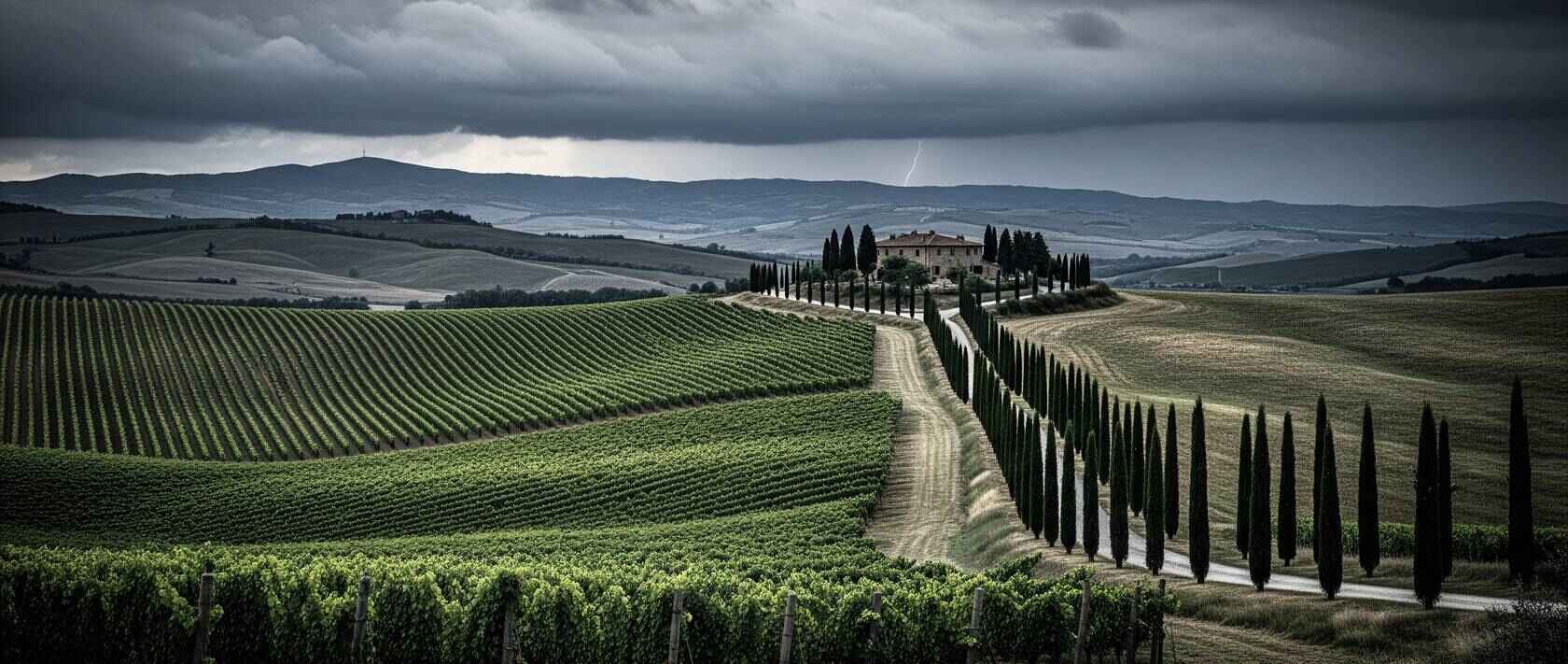
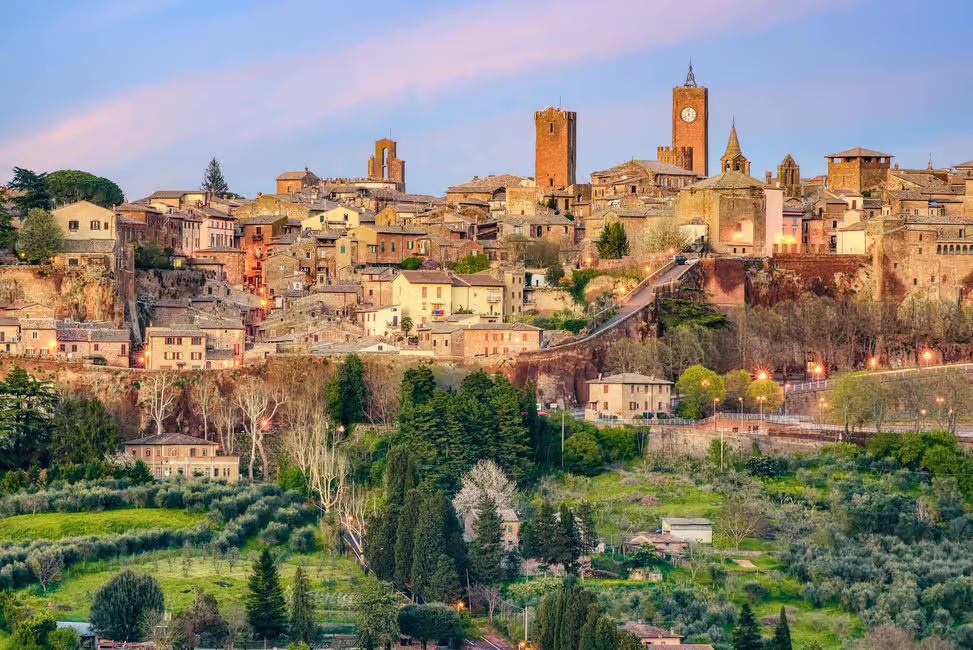
Tuscany is the quintessential heart of Italian viticulture, a landscape where ancient cypress trees line rolling hills draped in sun-drenched vines. It is a place where every glass tells a story of centuries-old traditions and a relentless pursuit of excellence. From the medieval hamlets of Chianti to the coastal breezes of Bolgheri, the region offers a sensory journey that transcends mere tasting, inviting you to live the storied heritage of the Mediterranean
Beyond the postcard view, a deeper vintage waits. Don't just admire the rolling hills—taste the history etched into them. From sun-drenched Sangiovese to secret cellars, find the heartbeat of Italy in every pour.
Some of our Popular Tours in Tuscany Discover the icons of Italian viticulture with our handpicked Tuscan experiences, featuring Bolgheri Super Tuscan tours, historic Montepulciano estates, and gourmet vineyard lunches in the heart of Siena.
Tuscany: A Tapestry of Sun, Soil, and Sangiovese Insider’s Guide to the World’s Most Iconic Italian terroir
Tuscany is an iconic landscape of diverse terroirs, defined by the rugged Apennines and the cooling breezes of the Tyrrhenian Sea. In the historic heartland, the high-altitude limestone hills of Chianti Classico and the volcanic slopes of Montalcino produce the purest expressions of the Sangiovese grape—structured, savory, and built for time.
Descending toward the coast, the “Super Tuscans” of Bolgheri break from tradition, utilizing maritime gravels to craft opulent, Bordeaux-style blends of Cabernet and Merlot. Understanding the balance between these ancient inland hills and the innovative coastal estates is the secret to navigating Italy’s most celebrated wine region.
Tuscany Wine Region: A Narrative of Heritage From Etruscans to Viticultural Excellence
The history of wine in Tuscany is a tapestry woven by the Etruscans, refined by the Romans, and elevated to an art form during the Renaissance. For centuries, the region has been defined by its aristocratic estates and the fierce pride of its winemakers. This cultural heritage is visible in every stone-walled cellar and frescoed villa. To visit Tuscany is to step into a living museum of viticulture. The narrative of the land is not just found in the soil, but in the families who have guarded these vineyards for generations. This emotional connection to the past creates an unparalleled travel experience, where the act of sharing a bottle of wine becomes a participation in history itself. Travelers are drawn here not only for the liquid in the glass but for the opportunity to walk through the very landscape that inspired masters like Da Vinci and Michelangelo.
Tuscany’s viticultural success is rooted in its diverse geological makeup. The region is characterized by two primary soil types: galestro, a loose marl-like schist, and alberese, a weathered limestone. These soils provide the necessary drainage and mineral complexity required for high-quality viticulture. The climate is predominantly Mediterranean, though inland areas experience significant diurnal temperature shifts. This variation between warm days and cool nights is crucial for preserving acidity and developing complex aromatic profiles in the grapes. The proximity to the Tyrrhenian Sea provides a cooling maritime influence to coastal vineyards, such as those in Maremma, preventing heat stress during the peak summer months
The Hierarchy of Tuscany Wines From DOCG to Super Tuscan and IGT
The legal framework of Tuscany ensures rigorous quality control through a tiered system. At the pinnacle are the Denominazione di Origine Controllata e Garantita (DOCG) regions, which include prestigious names like Brunello di Montalcino and Chianti Classico. These areas must adhere to strict yields, aging requirements, and grape compositions. Below these are the Denominazione di Origine Controllata (DOC) appellations, which cover a broader range of styles. Finally, the Indicazione Geografica Tipica (IGT) category provides winemakers with the flexibility to experiment with non-traditional varieties and techniques, a tier that famously gave rise to the iconic Super Tuscans
Grape Varieties of Tuscany Decoding the Tuscany wines and Super Tuscan
The undisputed sovereign of Tuscany is Sangiovese, a varietal prized for its high acidity, firm tannins, and characteristic notes of red cherry, dried herbs, and earth. While Sangiovese forms the backbone of the region’s identity, it expresses itself differently across various sub-regions—clones like Brunello in Montalcino produce wines of immense power and longevity. In addition to Sangiovese, the region is home to traditional blending partners like Canaiolo and Colorino. The late 20th century saw the rise of international varieties, including Cabernet Sauvignon, Merlot, and Cabernet Franc. These grapes are the foundation of the acclaimed Super Tuscan movements, often undergoing malolactic fermentation in French oak barriques to achieve a plush, modern texture and significant aging potential.
The Gastronomic Dialogue Mastering the Art of Pairing Tuscan wines with Food
Tuscan cuisine is a celebration of “povera” traditions, emphasizing high-quality, seasonal ingredients that perfectly complement the region’s structured wines. A classic pairing is the Bistecca alla Fiorentina, a thick-cut T-bone steak grilled over wood coals; its rich fats and proteins are masterfully cut by the high acidity and tannins of a Chianti Classico Riserva. Local Pecorino Toscano cheese, especially when aged, finds a harmonious partner in the bold, dark fruit profiles of a Vino Nobile di Montepulciano. For the coastal reds of Bolgheri, hearty wild boar ragu offers a rustic intensity that matches the complexity of the wine
What to Know before visiting Tuscany Practical Informations for Travellers
How to Go There
The primary international gateways are Florence and Pisa, with the most scenic vineyards accessible via private car or guided transport through the winding backroads.
Best Period to Visit Tuscany
The ideal seasons for travel are late spring (May to June) or the autumn harvest period (September to October), when temperatures are mild and the landscape is vibrant. We recommend booking private estate tours at least three months in advance, especially for high-demand labels in Montalcino.
shipping costs and tax regulations
Navigating global logistics and duties is essential for every collector. From EU VAT exemptions to international customs duties and temperature-controlled freight, For international visitors, many estates offer direct shipping services, allowing you to enjoy your discoveries long after your journey concludes
Plan your transportation to the vineyards
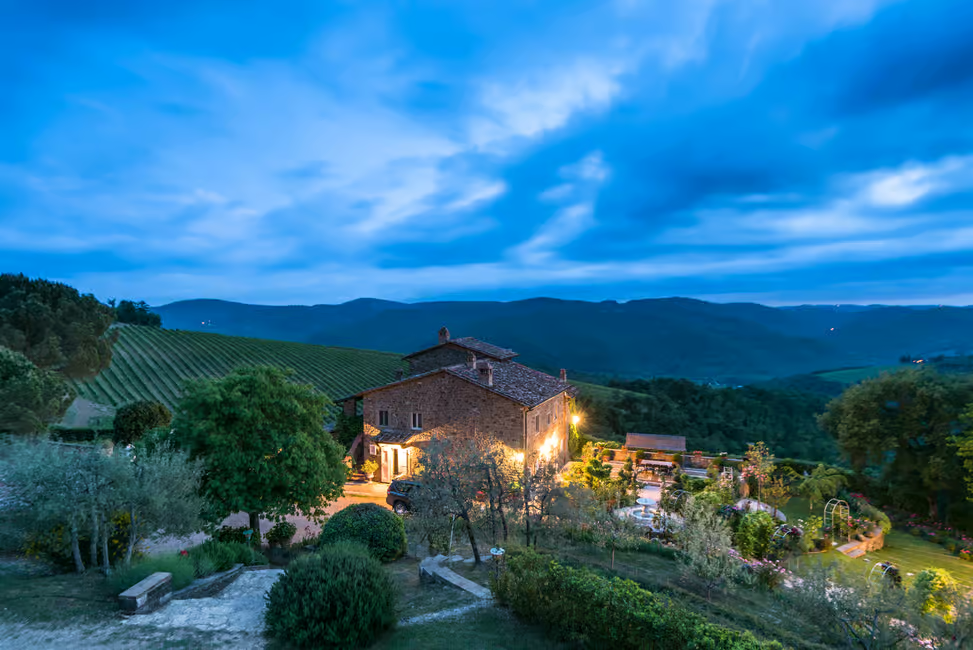
Navigating the rolling hills of Chianti or the Val d’Orcia requires strategic planning. While Florence and Pisa serve as primary gateways, the most authentic vineyard experiences are reached via private chauffeur or rental vehicle. Professional transport is highly recommended to manage the rural terrain and ensure seamless transitions between private tastings
The Ultimate Tuscany Guide for Travellers Check ourt our guide of Practical Informations for Travellers